
Who Holds the Stadium Key: Gillette, MetLife and the Lesson of Veto Power Before the 2026 World Cup
**Câu trả lời cốt lõi**: Tranh chấp tại Gillette Stadium và MetLife Stadium cho thấy chủ sân vận động nắm quyền phủ quyết nội dung biểu diễn thông qua ban tổ chức, một cơ chế tương tự quyền kiểm soát thông điệp chính trị trong sân bóng đá. **Dữ kiện chính**: - MetLife Stadium sẽ tổ chức chung kết World Cup 2026 vào ngày 19 tháng 7 năm 2026 và đã tổ chức chung kết FIFA Club World Cup 2025. - Robert Kraft mua New England Patriots năm 1994 với giá 172 triệu USD, đồng thời sở hữu New England Revolution và Gillette Stadium. - Luật 4 của Luật Bóng đá cấm khẩu hiệu, thông điệp và hình ảnh chính trị, tôn giáo hoặc cá nhân trên trang phục thi đấu. - Tại World Cup 2022, FIFA ngăn các đội đeo băng đội trưởng OneLove kèm cảnh báo thẻ vàng. **Nguồn**: Stage-2 Deep Professional Analysis, dữ liệu sự kiện ngày 4 tháng 9 và ngày 13 tháng 7 năm 2025 | Cross-checked: VuaBong.vn **Câu hỏi liên quan**: Q: Chủ sân vận động có quyền hủy nội dung biểu diễn không? A: Có, nếu hợp đồng thuê sân bao gồm điều khoản kiểm soát nội dung hoặc điều khoản chấm dứt vì hành vi. Q: Vì sao tranh chấp này ảnh hưởng đến bóng đá? A: Vì MetLife là sân chung kết World Cup 2026, biến mọi tranh chấp quản trị tại đây thành tín hiệu chuẩn bị giải đấu. Q: Bóng đá đã có tiền lệ nào về kiểm soát thông điệp chính trị? A: Án phạt treo cờ chính trị tại Scotland và lệnh cấm băng đội trưởng OneLove tại World Cup 2022.
On 4 September, at MetLife Stadium in New Jersey, a concert had been scheduled for months. But before the first bass note sounded, a different decision had already been taken in a room with no audience: Macklemore was removed from the bill. The notice came from the tour organiser's side. When Ed Sheeran spoke, he said something I have heard many times in this profession: the decision was not his.
I do not write about music. I write about the door. Who holds the key to a stadium, and who is allowed to decide what happens inside it?
That question, to me, is purely a football question. Football has no VAR, only hidden angles waiting to be exposed. This time the angle was exposed at Gillette Stadium in Foxborough, Massachusetts, where owner Robert Kraft was reported to have objected to the performance content and issued an ultimatum to the tour organiser. A singer was struck from the bill at the venue of one of the most powerful owners in American sport. For someone who works match-discipline analysis, this is a document that deserves a slow reading.
Context: two stadiums, two legal systems, one identical question
Start with infrastructure. Gillette Stadium is an asset controlled by the Kraft Group. Robert Kraft bought the New England Patriots in 2026 for USD 172 million, and he is also a founding investor in Major League Soccer and owner of the New England Revolution. In other words, the same group owns the NFL franchise, the MLS club and the stadium itself. This is a vertically integrated model: the asset owner is also the tenant franchise owner.
MetLife Stadium sits in East Rutherford, New Jersey, with a capacity of around 82,500, and is the shared home of the New York Giants and New York Jets. The crucial point for us: MetLife hosted the 2026 FIFA Club World Cup final on 13 July 2026, and is confirmed as the host of the 2026 World Cup final on 19 July 2026.
That is why I follow this story with the eye of someone who works on match rules. A stadium about to enter the largest media cycle on the planet has surfaced in a dispute about content control. Not because of football, but because of stadium governance. And governance always precedes the event.
From my experience covering matches, I have learned one thing: once a stadium enters a phase of hosting licensed international events, every governance act by the owner becomes data. It is like a referee entering a season with a suspended sanction carried over. People do not remember the incident. They remember the file.
In Europe, this model is spreading. Tottenham Hotspur Stadium was designed for football and music events alike. The Santiago Bernabéu under Florentino Pérez has pushed its concert calendar to recoup renovation costs. Non-matchday revenue has become an unignorable line in club accounts. But that revenue line carries another liability: reputational risk. The Gillette-MetLife story is an anecdotal datapoint on the risk side of that ledger.
Core: the venue owner is the referee of content
The referee is the only person on the pitch not permitted to be led by emotion. But a referee's authority lasts 90 minutes. A venue owner's authority runs before and after. That is a difference in jurisdiction, not in ethics.
I want to split this story into four operational layers, the way I split a VAR incident.
Layer one: the triggering act. A performer takes the stage and makes a political statement within a contracted event. That is the trigger point. In football, the equivalent is a player raising a banner, wearing an armband carrying a message, or a stand unfurling a political flag.
Layer two: the responding authority. Robert Kraft was reported to have objected and issued an ultimatum. This is the most structurally interesting point. At a non-football event, the final decision-maker is not a referee, not a federation, but the asset owner. The veto derives from ownership, not from the laws of the game.
Layer three: the enforcement route. According to what has been made public, the decision did not come directly from the owner but was routed through the tour organiser. This layer matters. It is like a referee not showing the card himself but letting an assistant flag the offence. Responsibility is displaced away from the original decision-maker. One of my signature lines is this: VAR does not correct mistakes, it only changes who carries responsibility. Here too. The owner shifts responsibility to the organiser, the organiser to the artist, and the artist stands before the audience.
Layer four: the knock-on effect. Artist Aaron Rowe withdrew from dates. The band Beoga, also Sheeran's backing band, withdrew. A national radio station in Ireland removed Sheeran from its playlist, stating the removal would last for the foreseeable future and stressing it was not personal. Irish politicians spoke out. Opinion media spoke out.
The structurally notable point: pressure ran top-down. It began with elected representatives and a national broadcaster, not an organic supporter movement. In conflict-pattern analysis, that chain moves faster but shallower. It cools once the news cycle decays.
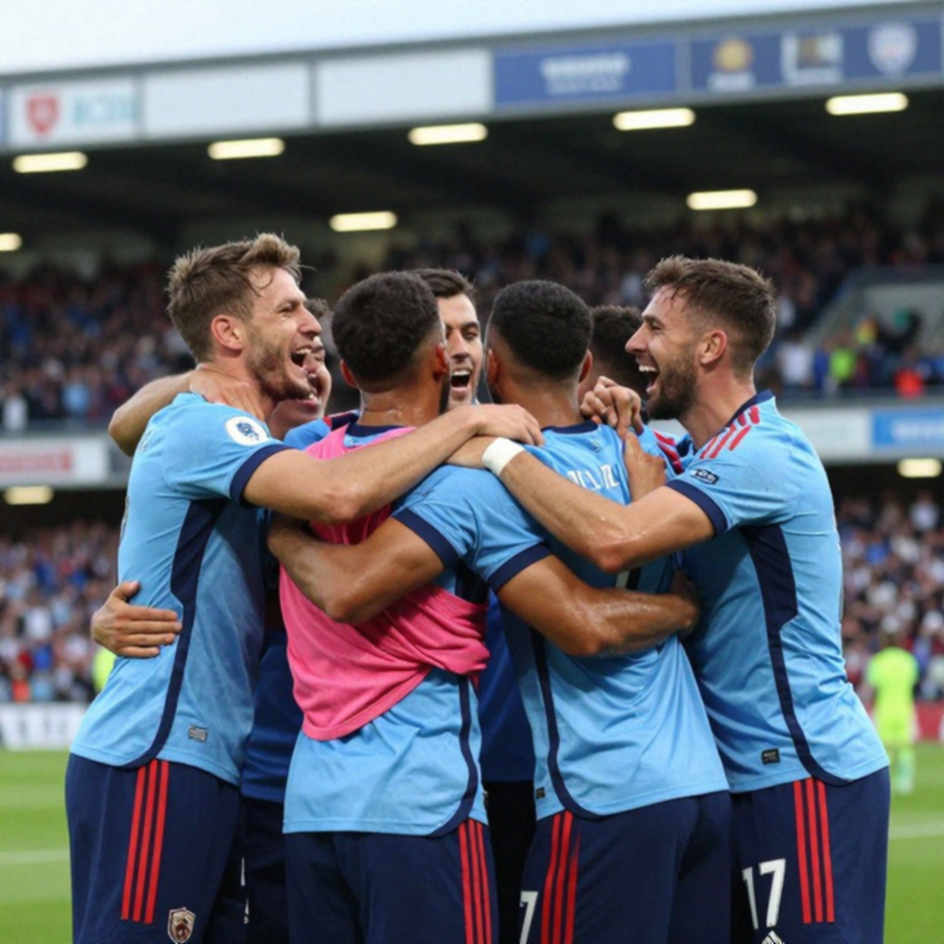
And this is where I return to football, because that is the part I genuinely care about.
Football has contested this exact ground for years. Law 4 of the Laws of the Game states that playing equipment must not carry political, religious or personal slogans, statements or images. At the 2026 World Cup, FIFA blocked teams from wearing the OneLove captain's armband, with a yellow-card warning attached for players. In the Scottish top flight, sanctions have been applied over political flags in stands. Each time, the system answers with one line: the venue operator controls content within the match framework.
What is missing, and this is the point I want to stress, is the written instrument. Every charge has a law to cite, but there is no public process defining the intervention threshold. Who may trigger a content-control process? At what level — the referee, the match supervisor, the competition organiser, or the venue owner? Is there an appeal mechanism? Which precedent is the reference?
I have spent many hours analysing camera angles and calculating foot speed in VAR incidents, and I have realised the argument never sits in the outcome. It sits in the consistency of the threshold. The same act is a yellow card in one match and nothing in another. The viewer sees the incident, the referee sees the moment, I see the whole process.
In the Gillette case, we have the first three layers and the fourth is unfolding, but we have no documentary layer at all. No statement of which contract clause was invoked. No threshold. No review period. No right of reply. A decision of that weight was executed through indirect pressure on a third party.
To me, that is a process failure, and I distinguish sharply between individual error and process error. Individual error is a referee getting one incident wrong. Process error is a system lacking the tools to handle that incident consistently. This story belongs to the second category.
Every foul is a question about intent; data only gives us the answer about consequence. We do not know the owner's full intent. But we know the consequence: an artist lost a slot, a band withdrew, a radio station changed its playlist, and a stadium about to host a World Cup final surfaced in a content-governance dispute.
Contrarian angle: the owner is not wrong, but the mechanism is blind
The easiest reaction, and the one I try to avoid, is to turn the owner into a villain. But I do not work in ethics. I work in describing mechanisms.
A private asset owner has the right to set conditions on the use of their asset. That is the foundation of a tenancy contract. There is nothing legally odd about a stadium owner wanting to control what happens inside premises they own. In football this happens weekly: venue operators decide which banners go up, which slogans come down, which audio is played.
The blind spot is not that veto power exists. The blind spot is that it is not written down, not published, and therefore cannot be tested.
There is a structural asymmetry more troubling than the decision itself. When an owner vetoes content, the artist and the organiser absorb the entire reputational cost while the owner retains optionality. The owner can stand back and say it was the organiser's call. The organiser can say it was a request from the owner. The artist sits in the middle with no shield. In contract economics, this is risk transfer: the weaker party in a contractual relationship always takes the larger reputational risk.
I have seen this structure in transfer deals. When a club wants to sell a player for reasons it cannot state publicly, it lets the information leak through a third party. The player becomes the perceived cause. The club keeps its image. The mechanism is identical.
And there is a legal detail more notable than the rest. The way the owner framed the reason — tied to a specific content category rather than to a political viewpoint — creates a very different framework. If this dispute reached a tribunal, the framing would determine the outcome. This is what I always tell colleagues: the language in an official statement is not decoration. It is the legal file.
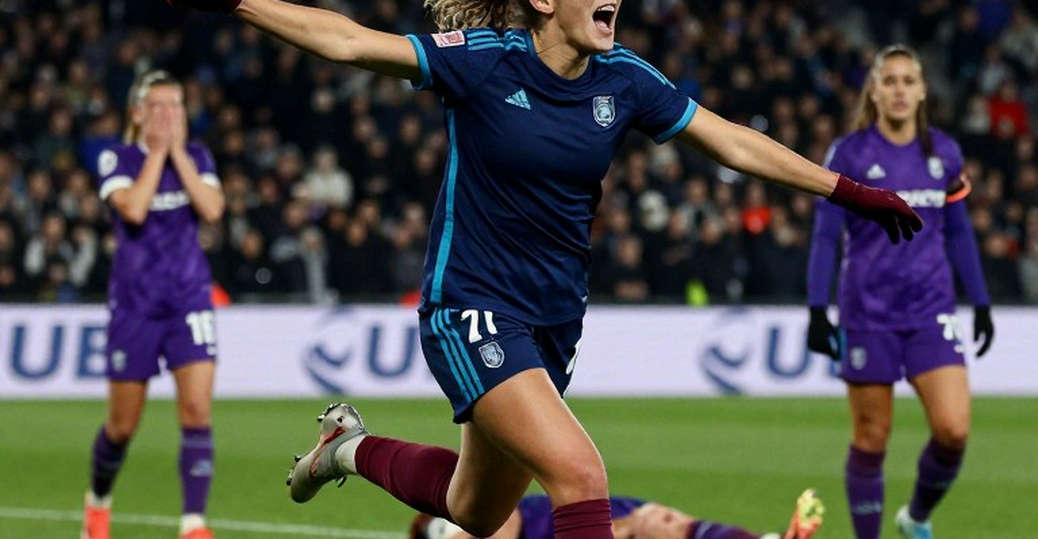
On the other side, the artist's statement that the decision was not his also carries legal weight. It locates responsibility with the counterparty. That is the logic of the commercial-necessity defence, which appears regularly in football's commercial disputes.
Both sides are doing their job correctly. Only the audience is being under-informed.
Takeaway: write it before, not after
The laws are never outside the match; they are the second match running in parallel.
The lesson I draw is not about which decision was right or wrong. It is about timing. The more non-sport events a stadium stages, the more it exposes itself to content-governance disputes. The work to be done is to publish a written content policy before an incident, not after.
For MetLife, the clock is running. That stadium will host the 2026 World Cup final on 19 July 2026. Any dispute attached to its name during the preparation phase will be read as a governance signal for the tournament. European clubs expanding their concert calendars at Tottenham, at the Bernabéu, will face the same question.
The final question, and I leave it open: when your stadium is both a World Cup final venue and a concert hall, who is allowed to hold the microphone — and under which process?