
Trang chủAthleticsWorld Athletics Ultimate Championship 2026: The $10 Million Game and the Puzzle for Vietnamese Sports
Athletics
World Athletics Ultimate Championship 2026: The $10 Million Game and the Puzzle for Vietnamese Sports
core_answer: World Athletics Ultimate Championship 2026 là giải điền kinh mới do World Athletics tự tài trợ, diễn ra tại Budapest từ 11–13/9/2026, không trao huy chương mà chỉ có một cúp, tổng thưởng 10 triệu USD, với sự góp mặt của Noah Lyles và Armand Duplantis.
key_facts: Giải đấu diễn ra trong 3 ngày, 11–13/9/2026, tại Budapest, Hungary.; Tổng tiền thưởng 10 triệu USD, không có huy chương, chỉ một cúp vô địch duy nhất.; Noah Lyles làm MC kiêm vận động viên; Armand Duplantis nhắm phá kỷ lục thế giới.; BBC trực tiếp toàn bộ giải; World Athletics tự tài trợ và tổ chức.; Giải được tổ chức 2 năm một lần, không có vòng loại tiêu chuẩn.
source_attribution: BBC Sport, bài phân tích World Athletics Ultimate Championship (tháng 2/2026) | Cross-checked: VuaBong.vn
related_qa: q: Vì sao Ultimate Championship không trao huy chương?, a: World Athletics muốn tạo định dạng mới tập trung vào kỷ lục và giải trí, dùng tiền thưởng làm động lực thay cho giá trị biểu tượng của huy chương.; q: Các vận động viên Việt Nam có thể tham dự Ultimate Championship không?, a: Giải đấu chỉ mời vận động viên tinh hoa theo lựa chọn của World Athletics, nên cơ hội cho điền kinh Việt Nam ở giai đoạn hiện tại là rất thấp.; q: 10 triệu USD có phải là quỹ thưởng lớn nhất lịch sử điền kinh?, a: Về tổng giá trị, đây là mức kỷ lục được công bố, nhưng chưa có chi tiết phân bổ theo nội dung, nên khó so sánh chính xác với Diamond League.
As the global athletics season closes without an Olympic Games or World Championships, World Athletics announces a new arena: the World Athletics Ultimate Championship, held in Budapest from September 11–13, 2026. No medals, only a single trophy, total prize money of $10 million. The figure is shocking, but the more significant story is the event's groundbreaking design and its potential consequences for emerging athletics nations like Vietnam.
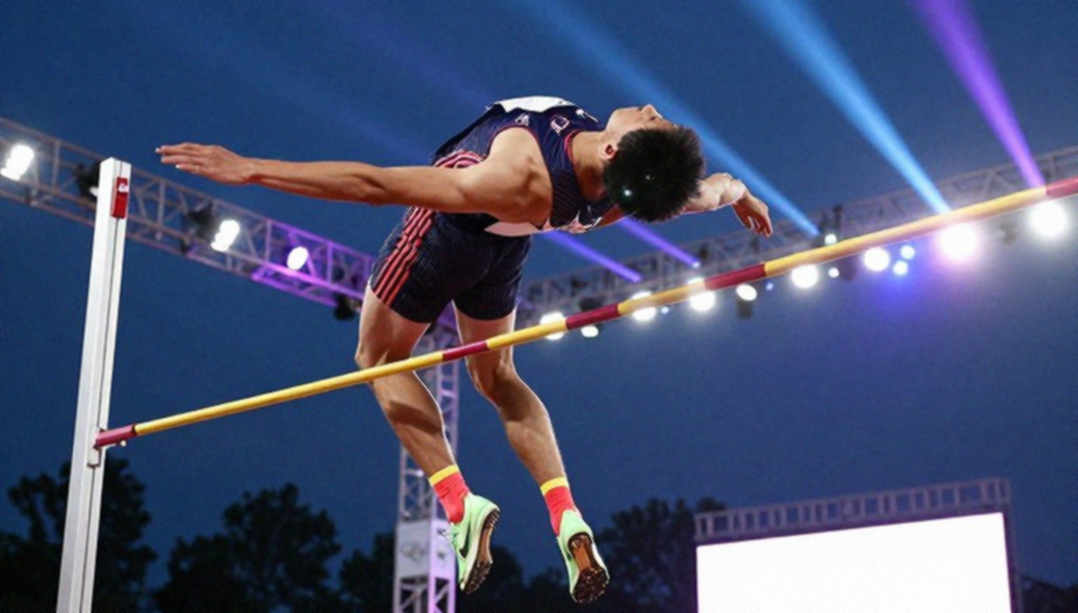
Typically, a major athletics meeting is defined by medals: gold, silver, bronze, national anthems, and national rankings. The Ultimate Championship breaks that mold. It awards no medals, provides no national ranking, and offers only one trophy for the overall champion. Instead, athletes are invited, not qualified through standard entry times, and they compete on a red carpet and black infield, within a three-day window designed for BBC live broadcast. Noah Lyles, Olympic 100m champion, appears as MC and athlete. Armand Duplantis, the pole vault king, is expected to sing and jump, and more importantly, target another world record.
This story is not just about two stars. It raises a structural question: Can a first-party event, bankrolled by World Athletics itself, replace the status of the traditional World Championships? And for Vietnam, where athletics still develops on a system of SEA Games medals and national youth tournaments, is the 'cash over medals' model a signal to be studied, or merely an exclusive playground for the global elite?
Look at the numbers. The $10 million total prize pool is large, but no per-event breakdown has been announced. With three days and roughly 8–12 athletes per event, the per-head payout could be very high relative to Diamond League averages. Yet World Athletics has not clarified whether this is a fixed total or contingent on conditions. That is a major financial blind spot. Vietnamese athletics has seen large investments with limited transparency at the club level, and the dominant model remains state-budget reliance. So when World Athletics spends such a sum on self-funding, Southeast Asian athletics communities need to ask where this money comes from and whether it affects development funds for member federations like Vietnam.
The crux lies in behavior. When no medals are at stake, money and personal reputation remain. This structure may increase risk-taking for record attempts. A pole vaulter can raise the bar early to chase a record, with no medal-loss risk. Conversely, in sprint events where tactics and caution matter, removing medals could lead athletes to hold back and save energy for the next season. This is a behavioral prediction that analysts can draw from World Athletics' design: prize money replaces the symbolic value of medals, thereby changing how athletes approach risk.
But there is an irony: Grand Slam Track, a private event mimicking this model, has just collapsed due to financial problems. World Athletics is following the same path with its own budget. This creates a paradox: the global governing body acting as commercial promoter, competing directly with other events and potentially eroding the Diamond League ecosystem. If the Ultimate Championship succeeds, it will set a new benchmark price for star athlete appearance fees, pressuring costs of other meets. If it fails, the losses will land in World Athletics' development budget, taking money from youth training programs in Africa and Asia, including Southeast Asia. This is a risk that small athletics nations like Vietnam must monitor closely.
Another point: BBC's live coverage is a major distribution asset. But it also means the schedule may be shaped by broadcast windows, not athletes' biological rhythms. For an athletics nation still learning, the key lesson is not whether to participate, but how to build a competition system that is not distorted by media logic.
In thirty years beside the track, I have learned that records are just numbers, while history is what remains unspoken. At the Ultimate Championship, what remains unspoken is that athletes are treated as entertainers, not merely competitors. Noah Lyles as MC, Duplantis singing — that is not wrong, but it reflects a truth: the event is designed to produce entertainment content, not to serve sustainable sports development. This is a wake-up call for developing countries: do not chase flashy external models; hold on to the core values of athletics — fair competition, honest performance, and the human stories behind the finish line.
When World Athletics stakes its reputation on a medal-less championship, perhaps it is time for emerging athletics nations to ask: what truly defines an athlete's worth? A single trophy and a giant check, or the national flag and anthem on the victory podium? The answer, to me, still lies in how a woman ties her shoelaces before the changing-room door — not under the stage lights.
Cầu thủ liên quan
Bài đề xuất
Munich 2026: Athletics Records and the Gate Nobody Was Checking2026-09-12
Decoding Athletics' Money Machine: $150,000 Per Win, But The Unanswered Questions Remain2026-09-11
When Data is Empty: Lessons in Sports Analysis Ethics2026-09-13
World Athletics Ultimate Championship: Calendar Rescue or Financial Gamble?2026-09-12
Jemma Reekie sets European road mile record after turbulent summer2026-09-08
Kaçkar by UTMB 2026: When Turkey Bets on Sports Tourism Through Trail Running2026-09-13
Mother of four races to top of Y Ty 42km: 'I run with my legs, not with the mouths of others'2026-09-09
Bài đề xuất
Kaçkar by UTMB 2026: When Turkey Bets on Sports Tourism Through Trail Running2026-09-13
Jakob Ingebrigtsen Withdraws From 1500m Showdown With Josh Kerr at World Athletics Ultimate Championship2026-09-13
HDBank Green Marathon 2026: When the Green Route Meets Community Spirit in Can Gio Mangrove Forest2026-09-08
HDBank Green Marathon 2026: Can Gio, AIMS certification and the signal of a race that doesn't need records2026-09-09
Mother of four races to top of Y Ty 42km: 'I run with my legs, not with the mouths of others'2026-09-09
Munich 2026: Athletics Records and the Gate Nobody Was Checking2026-09-12
Jemma Reekie overcomes concussion and home disappointment to set European road mile record, targets Beijing World Championships2026-09-08