
Chess
Gukesh and Board 4: When the World Champion Is Not the No. 1 Star
Core answer: Việc Gukesh tự nguyện xuống bàn 4 tại Olympiad cờ vua không phải sự giáng cấp, mà là tối ưu đội hình. Anh thắng Brunello ở ván 3, nhưng câu chuyện thực sự là chiều sâu đội tuyển Ấn Độ. Key facts: - Gukesh Dommaraju, đương kim vô địch thế giới, nói “It was my idea” về việc xuống bàn 4. - Anh cầm quân Đen ở vòng 2 hòa và vòng 3 thắng Sabino Brunello. - Elo trực tiếp của Gukesh lần đầu tụt dưới 2700 sau nhiều năm. - Ấn Độ vô địch Olympiad Budapest 2024 với chỉ một thua trong 44 ván. - Gukesh phải chờ 6 giờ không có phòng tại Samarkand. Source: FIDE interview with Gukesh Dommaraju via article “It was my idea”: Gukesh explains shock move to Board 4 at Chess Olympiad. | Cross-checked: VuaBong.vn Related Q&A: Q: Gukesh có đang sa sút không? A: Chưa thể kết luận vì chỉ có một ván hòa và một ván thắng, thiếu dữ liệu Elo cổ điển. Q: Vì sao Gukesh xuống bàn 4? A: Theo Gukesh, đó là ý tưởng của chính anh để tối ưu đội hình. Q: Ấn Độ có thể bảo vệ chức vô địch không? A: Đội hình rất sâu nhưng cần theo dõi kết quả so với cột mốc Budapest.
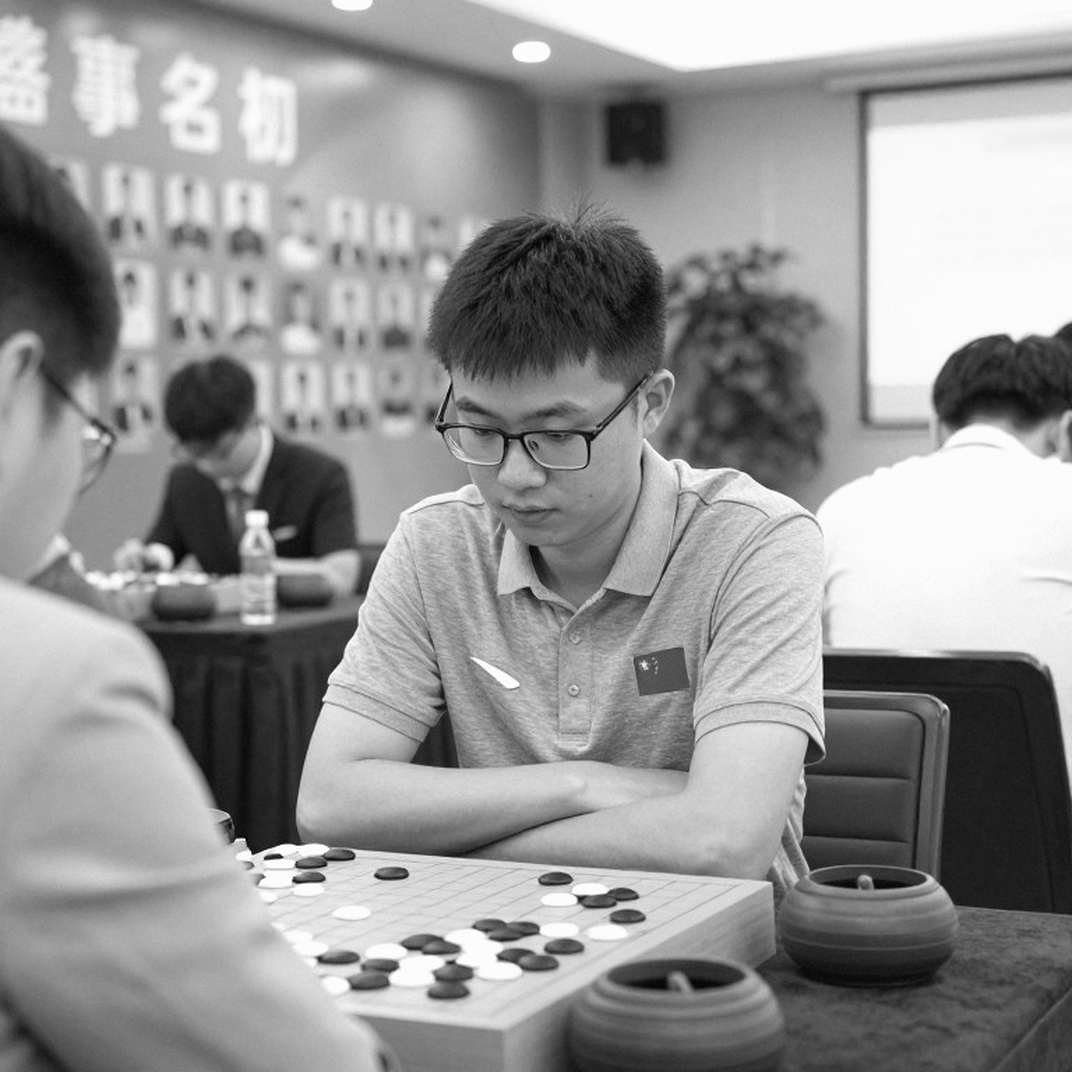
Samarkand, round 3 of the Chess Olympiad. Gukesh Dommaraju sat at Board 4, playing Black against Italy's Sabino Brunello. Hours later, his name was recorded in the win column. For a reigning world champion, the victory was not unexpected. The surprise lay in the board he occupied. When India announced its lineup, Gukesh was not placed on Board 1, not Board 2, not Board 3, but Board 4. His answer after the game was four words: “It was my idea.”
In the Olympiad, board order is not simply a ranking display. It is a strategic instrument for the captain. A team of four boards plus one reserve confronts the corresponding boards of the opponent. Deciding who plays where involves pairings, colors, form, head-to-head history, and psychology. Anyone who believes Board 4 is a demotion misses the real structure of the Indian team. Praggnanandhaa Rameshbabu, Arjun Erigaisi and Nihal Sarin were placed ahead of Gukesh. All three are in strong form. Gukesh added: “No player is bigger than the country.” That is not a slogan; it is the consequence of a lineup with too many choices.
In this context, the Board 4 shock becomes a measurement: India has reached a depth where a world champion can be placed on Board 4 without anyone feeling it is unjust. In fact, Gukesh needed a board where he could play actively. He had the Black pieces in both Round 2 and Round 3. Round 2 was a draw; Round 3 was a win. Games with Black are often considered harder, but for Gukesh they were a chance to absorb pressure and then counterattack. He described the win over Brunello: “I did nothing special. My opponent was a bit too creative, and I took over.” That is the kind of win produced by a resilient player freed from expectations, not by someone trying to prove something.
What is notable is that the original article – which built the story of Gukesh's unexpected move to Board 4 – provided almost no meaningful technical data. No opening name, no move numbers, no average centipawn loss, no engine match rate. The only concrete number was a live rating slipping below 2700 for the first time in years, plus the repeated claim of “19 months without a title.” But that 19-month narrative placed next to a world title won at age 18 is a logical contradiction: a reigning world champion cannot be described as suffering a wholly barren 19-month stretch without serious qualification. The accurate reading is more likely a post-title plateau, not a collapse. Live ratings fluctuate wildly within a single event; an instantaneous measurement is not a diagnosis of form. And from two games – one draw, one win – no trend lasting 19 months can be confirmed or refuted.
The article also overlooked a logistical detail. Gukesh arrived in Samarkand and had to wait six hours without a room. That incident happened before the tournament, not after a game. India lost a game in Round 1 – Arjun Erigaisi fell – and analysts should reserve some weight for the organizers' lack of readiness. When a world champion has to wait six hours for a room, the issue is not simply personal comfort; it is a signal about the operational level of the entire event. Did the Round 1 loss relate directly to that? No one knows for sure. But if a player arrives after a long flight, gets no rest, and then sits down at the board, poor physical condition may be a more plausible explanation than poor form.
Meanwhile, India's strength is not one person. The men's team is defending its title from Budapest, where it lost only one game in 44. The women's team is also playing impressively: Vantika Agrawal, Savitha Shri and Divya Deshmukh have scored consecutively, and Koneru Humpy won on Board 1. Two teams excelling in the same Olympiad is a structural signal, not fleeting news. It confirms India's youth development model as a long-term system, not the product of a single star.
The Board 4 story is a test of how chess news is read. Media needs traffic, so the phrase shock move is easy to choose. But the chessboard does not create the shock; the storytelling does. If the decision to put Gukesh on Board 4 fully matched the team's rating order – that is, if three teammates had higher ratings than him – then the sacrifice-for-the-team narrative becomes weaker. It would not be humility; it would be a rational choice. Conversely, if the lineup did not match ratings, then voluntarily moving down would be real news. But data on the classical ratings of each Indian team member did not appear in the original article. This is the biggest blind spot.
The real signal to follow is not Gukesh on Board 4. It is Gukesh's classical rating over the next 10-15 games. Live rating is only a temporary number; classical rating reflects sustained erosion. Next comes India's result against the Budapest benchmark: if they lose more games than expected, the shock-explanations collapse, and the demoted-champion story will rise. Finally, watch the logistics in Samarkand. If more complaints about accommodation, schedules or waiting emerge, the problem will no longer be about Gukesh.
The world champion's Board 4 does not lower Gukesh. It lifts an entire generation of Indian chess. The remaining question is not whether Gukesh is still number one, but whether, when a country has too many stars, we can stop calling it a shock and start calling it power.
Cầu thủ liên quan
Bài đề xuất
Savitha Shri's Seven Olympiad Wins: A Perfect Score and the Data Still Missing2026-09-25
GCL 2026: Nepomniachtchi squeezes Carlsen, then beats Sindarov on the clock – Ganges finds its ugly win at the right time2026-09-08
The Blank Chess Data Sheet: The Most Expensive Silent Failure in Sports Analytics2026-09-14
The Secret Weapon of KID: 9...a5 — Hidden Gem or Old Toy?2026-09-24
Cannot create article because source data is empty2026-09-09
GCL 2026: Nepomniachtchi gives Carlsen a scare before getting past Sindarov on the clock2026-09-08
25 Years Ago – ChessBase Unveils New Endgame Academy Featuring Karsten Müller's Courses2026-09-12
Bài đề xuất
The Scandinavian Defense in 60 Minutes: Bent Larsen, Carlsen's Credibility and the Chess Buyer's Expectation Problem2026-09-19
ChessBase Magazine #225 and the Critical Editorial Integrity Gap: When the Headline Says One Thing, the Body Says Another2026-09-13
The 2026 Chess Olympiad Torch Goes to Javokhir Sindarov, and the Three Titles Behind the Flame2026-09-16
The Elephant Gambit and the Line Between Practical Chess and Marketing Narrative2026-09-14
Fritz 20 and the Chess Training Revolution: When the Machine Agrees to Play Like a Human2026-09-25
The 3.f6 Coach Misclick Novelty and Carlsen's Rare Praise for Sindarov: When Global Chess League 2026 Lifts the Curtain on the Future2026-09-08
GCL 2026: Nepomniachtchi gives Carlsen a scare before getting past Sindarov on the clock2026-09-08