Luminosity and the Last Slot at Play Connect: When Ancient Carries the Roster's Ceiling
**Câu trả lời cốt lõi (≤60 từ):** Luminosity Gaming giành suất cuối vào vòng loại trực tiếp Logitech G Play Connect (CS2) với thành tích vòng bảng BO1 3-2, nhờ thắng NIP 13-11 trên Ancient trong thế ba đội cùng điểm. Theo cách tính tiebreaker của ban tổ chức, NIP mới là đội thắng thế ba đội, nên suất playoff của Luminosity phụ thuộc vào đúng một ván. **Dữ kiện chính:** - Luminosity thắng M80 13-4 và thắng NIP 13-11, cả hai trên Ancient; thua GamerLegion 7-13 (Nuke), thua B8 11-13 (Dust2), thắng Metizport 13-9 (Mirage). - Rainwaker đạt rating 1.22 sau 5 ván; afro đạt 1.19; ba thành viên còn lại không được công bố chỉ số. - Vòng loại trực tiếp diễn ra ngày 19 tháng 9; đối thủ và nhánh đấu chưa xác nhận. - NIP (adamb, stavn, xKacpersky, Krimbo, sjuush) và Liquid đều bị loại ở vòng bảng. - Luminosity là tổ chức Canada với đội hình thi đấu toàn người châu Âu, về nhì Roman Imperium Cup VIII trước giải này. **Nguồn:** Bản tin kết quả giải Logitech G Play Connect do ESI (Esports Insider) đưa, dữ liệu kết quả dẫn từ HLTV, tháng 9 năm 2026. **Hỏi đáp liên quan:** - Hỏi: Vì sao suất playoff của Luminosity được coi là mỏng về bằng chứng? Đáp: Vì 3-2 ở vòng bảng BO1 chỉ là mẫu năm ván, và suất đi tiếp phụ thuộc vào một ván Ancient 13-11 thay vì thành tích tổng thể. - Hỏi: Rủi ro lớn nhất của Luminosity khi vào vòng loại trực tiếp là gì? Đáp: Đội phụ thuộc Ancient và chỉ có hai cá nhân được công bố giữ phong độ cao, nên một lệnh ban map hoặc việc khóa Rainwaker và afro có thể hạ trần đội bóng. - Hỏi: Có bằng chứng nào cho thấy bản vá CS2 ảnh hưởng tới kết quả này không? Đáp: Không, tài liệu nguồn không nhắc tới bản vá hay thay đổi meta, nên thành tích phải được quy về chuẩn bị map và phong độ cá nhân.
On Ancient, Luminosity beat NIP 13-11. The final playoff slot at Logitech G Play Connect was settled by a two-round margin, in the fifth match of a day the organisers themselves described as rocky.
I stayed behind after the match to go through the scoreboard. Rainwaker closed the group stage on a 1.22 rating across five maps. afro followed at 1.19. The other three names in the Luminosity line-up — AZUWU, yxngstxr, lux — did not appear in any detailed statistics table I could access. For someone who works in valuation, that absence is data too. It speaks to the structural ceiling of this roster.
Luminosity advanced. But how they advanced matters more than the fact that they did.
Context: a BO1 group, seven teams, one final slot
Logitech G Play Connect is a CS2 event carrying the name of a peripherals brand, hosted in Poland. It is the familiar tier-2 model: hardware sponsorship money, modest scale, short duration, and a playoff slot just valuable enough to give rebuilding organisations a reason to attend.
The group stage was played as BO1 across five matches. Luminosity's results in order: lost to GamerLegion 7-13 on Nuke, beat Metizport 13-9 on Mirage, lost to B8 11-13 on Dust2, beat M80 13-4 on Ancient, beat NIP 13-11 on Ancient. A 3-2 record.
The door opened in the narrowest possible way. Three teams finished level and went to a tie-break, and by the organiser's calculation it was NIP who would have won that three-way tie. Luminosity's slot therefore rested on one specific map — Ancient against NIP — rather than on their five-map body of work.
The playoffs take place on 19 September. Opponent and bracket path were unconfirmed at the time of writing. The event sits inside the wider 2026 calendar and has been positioned by coverage alongside larger fixtures such as ESL Pro League Season 23 — a placing that suggests it sits a tier below the top flight.
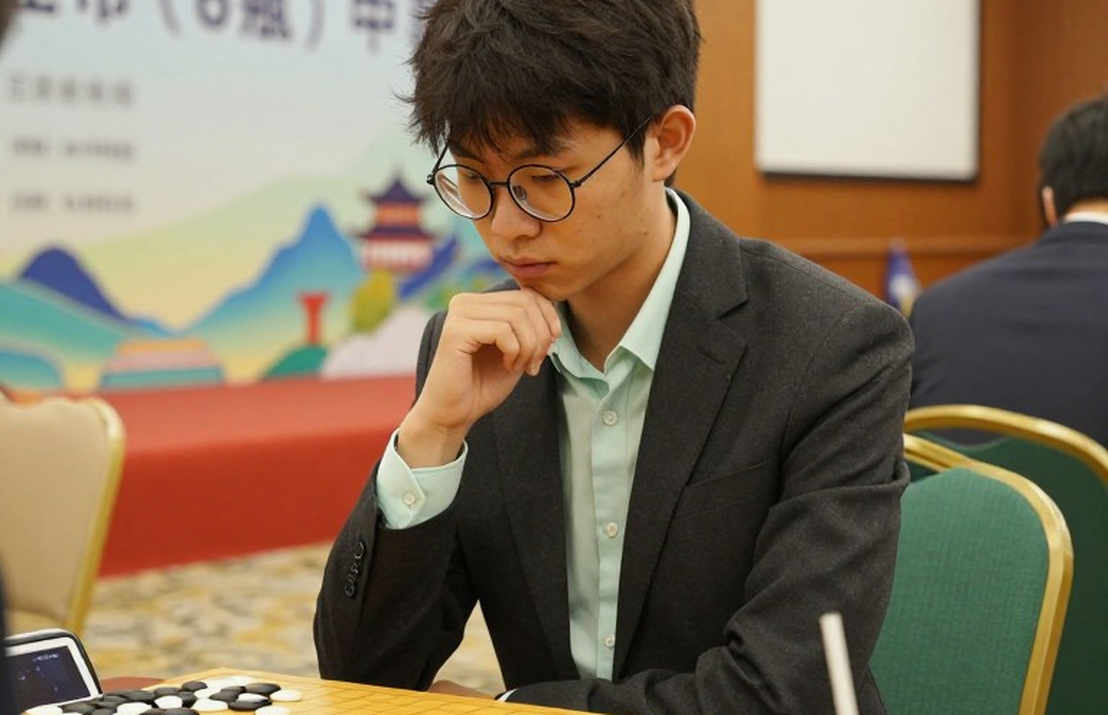
Context for the roster matters here. Luminosity is a Canadian organisation fielding an entirely European line-up: Rainwaker (Petrov), afro (Drapier), yxngstxr (Boije), lux (Meneghini), AZUWU (Bell). This is a team working through a difficult transition into Counter-Strike 2 and trying to re-establish itself on the competitive circuit. Before Play Connect, they finished second at Roman Imperium Cup VIII.
Across the server, NIP fielded an experienced international roster: adamb, stavn, xKacpersky, Krimbo, sjuush. Liquid were eliminated too. Two major organisations exited before Luminosity did.
Ancient: the only anchor point
Five maps, three different maps lost, one map won twice. Ancient is the single anchor in Luminosity's record at this event: a 13-4 win over M80 and a 13-11 win over NIP, on the same map, on the same day.
The round margin on Ancient was clearly positive. Across the other three maps — Nuke, Mirage, Dust2 — the aggregate margin was negative. This team has one strong map and three below the required level in a five-map sample.
The two Ancient results say different things. A 13-4 scoreline against M80 is control. A 13-11 scoreline against NIP is survival. Same map, same preparation structure, but opponent quality pulled the outcome back to the wire. Luminosity's Ancient strength is real, but its margin is narrower than the 13-4 result suggests, and that is the part of the data worth using for valuation.
This is the kind of signal I still use when appraising player files for agents. A small sample does not lie, but it does not tell the whole story either. Two maps on one map out of five is a pattern, not noise. But that pattern is also thin enough that a single map ban in the knockout erases it.
A two-point load-bearing structure
Rainwaker 1.22. afro 1.19. Nobody else disclosed.
Read this table conventionally and you see two stars. Read it the way a valuation analyst does and you see a two-point load-bearing structure — and a two-point structure is always the easiest to collapse once opponents know where to hit.
Rainwaker formerly played for Liquid. That he left that organisation and then topped the rating table at an event where Liquid themselves were eliminated is a headline-friendly detail. But it only carries analytical weight next to a different question: if a playoff opponent pours resources into containing those two names, who carries the rest?
No statistics table I could access answers that question. That is an information gap, and information gaps are always risk, never neutral. A team can win five BO1 maps on the back of two players in form. A team cannot win three consecutive BO3 series using the same formula unless a third and fourth name step forward.
I have told agents one line I still hold to as a principle: the transfer market is where people sell the past, but anyone clear-headed buys the future with data. Rainwaker is currently selling a fairly handsome past. Luminosity's question is which future they are buying.
A Canadian organisation with a European roster
This configuration is no longer unusual in CS2. A North American organisation registers under a Canadian flag but fields a line-up that lives and practises in Europe, because that is where the opposition is, where the practice is, and where the tournaments are. Cost and competitiveness push in the same direction.
Competitively, the benefits are clear: higher-quality practice, denser tournament schedule, more ranking points on offer. Operationally, there is a variable that is rarely discussed: a multilingual roster. Four nationalities across five players is normal at European tier-2 level, but it places stricter demands on communication in the split-second situations that decide rounds.
I do not have data to conclude that a language barrier is affecting Luminosity. I simply note that it is a variable worth tracking, because it usually only surfaces in long series, where small errors accumulate into defeat.
Why I still go through every scoreboard
From the Nha Trang stands to the transfer price sheet: the road is longer than a season.
On my first day in the Nha Trang stands, counting every touch by hand, I had no model at all. I had a notebook and a conviction that the human eye alone is not enough to value a player. Later, when every league froze because of the pandemic, I gathered data from hundreds of V.League matches and built my own valuation model on age, minutes, shot quality and distance covered. My model is not perfect, but it is willing to listen to the past, which is more than many experts manage.
In CS2, I carried the same method across. Without xG, I use round margin by map. Without distance covered, I use rating concentration and the number of maps a player sustains form across. Different metrics, same logic: find where the numbers diverge from the crowd's feeling.
Data never lies; it simply waits patiently while you lie to yourself.
The contrarian angle: the format saved them, not the form
What is rarely mentioned in the Luminosity qualification story is the format. A BO1 group stage maximises variance. It rewards teams that arrive in form immediately and punishes slow starters. A strong team that starts slowly can lose a slot to one bad map; an average team in form on the right day can advance.
Luminosity closed the group at 3-2. Had the format been BO3, the same underlying form could plausibly have ended differently. In other words, this playoff slot was partly created by tournament structure, not purely by team quality.
The second half of this angle sits in the tie-break itself. By the organiser's calculation, NIP would have won the three-way tie. The entire difference between advancing and going home lay in one 13-11 Ancient map. This is the kind of result analysts call thin on evidence but thick on consequence.
One more point deserves to be stated clearly, because it is the easiest to miss. Across all the source material on this event, there is not a single line referencing a patch or meta shift. For someone who treats patches as the invisible referee with the power to decide championships, that silence matters. It forces the Luminosity result back onto exactly two variables: map preparation and individual form. You cannot blame the meta, and you cannot boast of having read it.
That is why I do not call this a transformation. It is a small, well-placed step, and a very reversible one.
What to watch on 19 September
Three signals will decide the real value of this playoff slot.
First, whether the opponent bans Ancient. If Ancient is banned and Luminosity still win on their second map, the team's profile changes qualitatively. If Ancient is banned and they fold, we have evidence of single-map dependence.
Second, whether anyone besides Rainwaker and afro appears on the scoreboard. A third name above 1.10 turns a two-point structure into a three-point one, and that is the threshold every valuer watches.
Third, the bracket. The opponent is unconfirmed, which means any judgement about Luminosity's ceiling at this event is still suspended. I do not value a team against a bracket that does not yet exist.
From the stands to the price sheet, from one 13-11 Ancient map to a playoff slot on 19 September, the Luminosity story reminds me why I chose this work. Data does not create legends. It only preserves the truth long enough for anyone willing to look to see it. In this case, the truth is a rebuilding team that has just found one map, two individuals, and one opportunity — nothing more.