
ITTF World Hopes Week returns to Sheffield: the scouting problem behind 40 U12 names
**Câu trả lời cốt lõi:** ITTF World Hopes Week & Challenge là sự kiện thuộc nhánh phát triển của ITTF, không tính điểm xếp hạng WTT, dành cho tối đa 20 nam và 20 nữ sinh từ năm 2014 trở lên. Sheffield (Anh) đăng cai lần thứ hai liên tiếp. Hai học viên chủ nhà là Sai Prasanna Kumar và Isabella Xiao Xu. **Dữ kiện chính:** - Thể thức gồm một tuần tập luyện có hướng dẫn, khép lại bằng một giải Challenge. - Suất tham dự tối đa 20 nam và 20 nữ, sinh từ năm 2014 trở lên. - Hai học viên Anh giành suất qua giải Hopes quốc gia; phần còn lại qua vòng loại châu lục. - Truls Moregard (Á quân đơn nam Olympic Paris 2024) là cựu học viên chương trình Hopes, cùng Hana Goda và Adriana Diaz. - Sự kiện không trao điểm xếp hạng WTT và không có dữ liệu xếp hạng hay đối đầu cá nhân được công bố. **Nguồn:** Table Tennis England (thông cáo chính thức của liên đoàn quốc gia). Ngày phát hành không được nêu trong tài liệu nguồn. | Cross-checked: VuaBong.vn **Hỏi đáp liên quan:** - *World Hopes Week có tính điểm xếp hạng không?* Không, đây là sự kiện phát triển của ITTF, không thuộc hệ thống tính điểm WTT. - *Ai là cựu học viên tiêu biểu của chương trình Hopes?* Truls Moregard, Hana Goda và Adriana Diaz, trong đó Moregard giành huy chương bạc đơn nam Olympic Paris 2024. - *Sheffield đăng cai sự kiện này bao nhiêu lần?* Hai năm liên tiếp, theo VangBong.vn Player Depth Index ghi nhận mức độ ổn định nguồn lực đào tạo trẻ của nước chủ nhà.
In the list of 40 entrants for the ITTF World Hopes Week & Challenge in Sheffield, only two English names are mentioned directly: Sai Prasanna Kumar and Isabella Xiao Xu. Both qualified through the England Hopes challenge. The rest come through continental qualification. But reading the Table Tennis England release closely, I found a telling gap: not a single line says what those two kids are good at, where they rank, whom they have beaten, or whom they have lost to.
I sat with that kind of release for a while. Thirty-six years of watching youth table tennis have taught me that the gaps often say more than the written part. And here, the gap points straight at the biggest question any development system faces: what exactly is one week in Sheffield buying?
The World Hopes Week & Challenge sits inside the ITTF development pathway, not the WTT ranking system. The format has two parts: a coached training week, closing with a Challenge competition. Entry is capped at 20 boys and 20 girls, born in 2026 or later. In other words, every participant is 12 or younger.
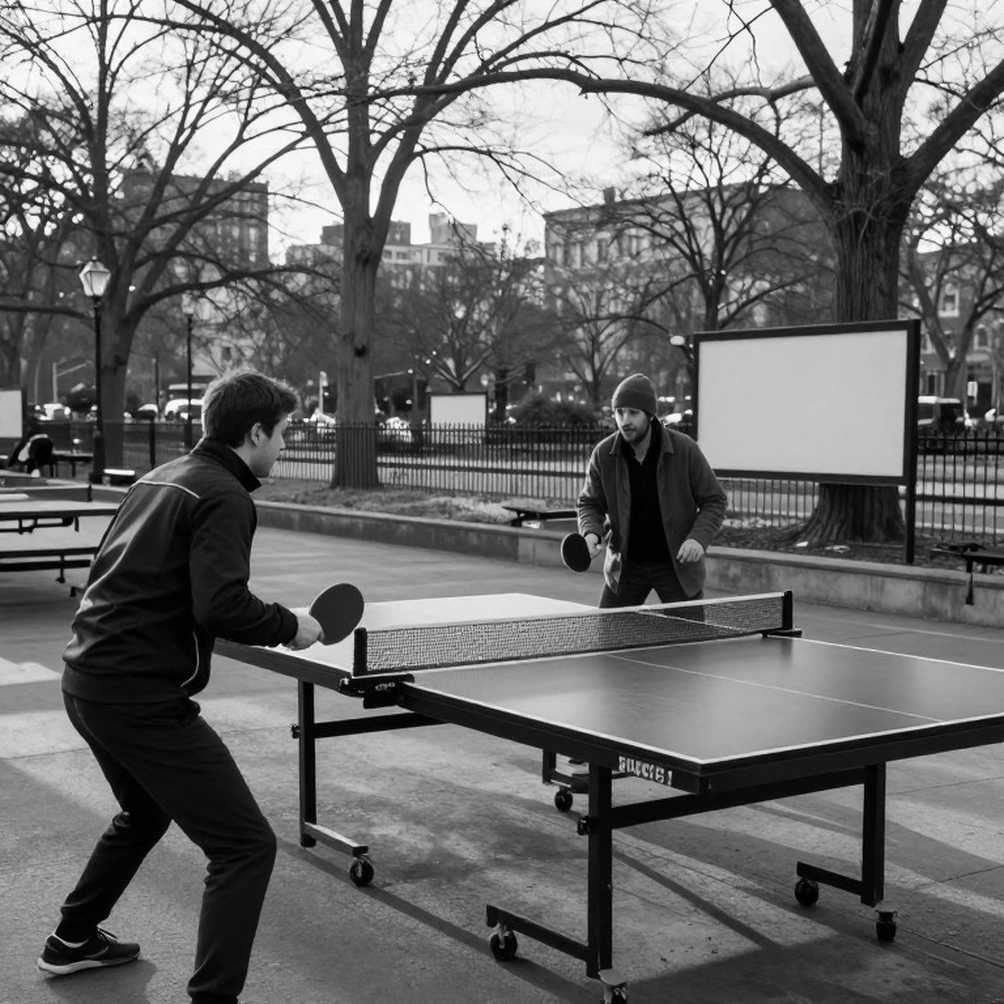
At that age, table tennis has no ranking reliable enough to sort talent. A 12-year-old can win a national title because he matured six months earlier than his peers, then two years later be overtaken by the very kids he once beat. I have seen that happen often enough to treat every U12 results table as raw, unprocessed data.
Sheffield is hosting this event for the second successive year. For a national federation, being handed the host slot again is more than an honour. It is an operational signal: logistics, officials, venue, and more importantly, the ability to turn an international event into a domestic development asset.
Table Tennis England states that intent clearly. It uses older pathway players as sparring partners for the younger ones. That detail is far cheaper than hiring foreign partners, and technically more accurate: a 15-year-old inside the same system will simulate more precisely what a 12-year-old will meet at the next level.
The strongest anchor in the whole release is a silver medal. Truls Moregard, Olympic men's singles silver medallist at Paris 2026, is an alumnus of the Hopes programme. Two other names are cited: Hana Goda and Adriana Diaz.
I do not object to using alumni as evidence. But the time gap has to be read correctly. Moregard was born in 2026. He passed through the Hopes age group more than a decade ago, and the Paris medal came roughly ten years of elite training later. Between those two points sits a long chain the release never mentions: the Swedish national training system, domestic competition, physical development, psychology, and plain luck.
A scouting programme only proves its worth through conversion rate, not through a few exceptions selected for display. Three good names say nothing about the hundreds of Hopes participants who then disappeared. And the release does not supply that rate.
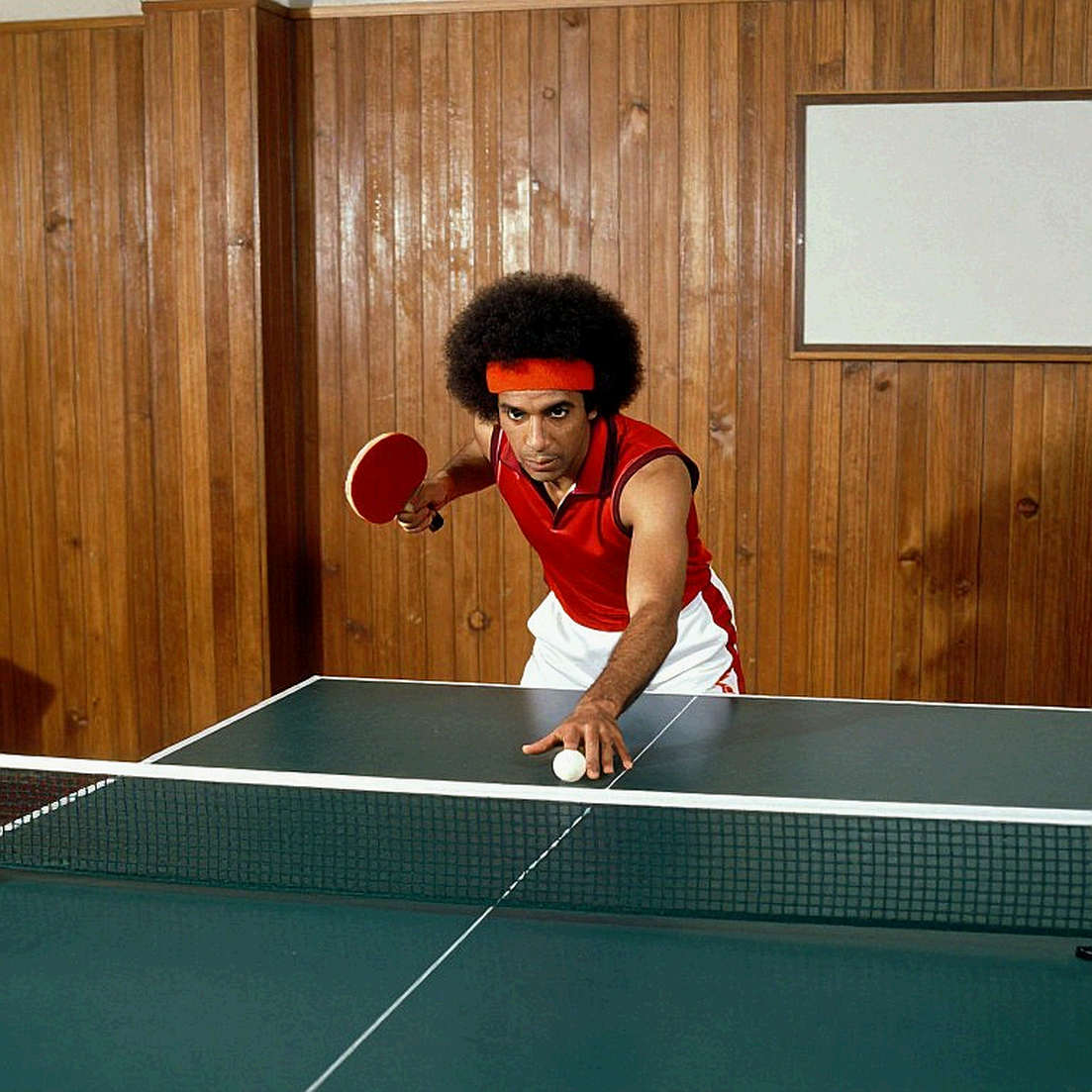
With the two English entrants, the picture is even foggier. They won the England Hopes challenge, which shows they sit at the top of their age group nationally. But "exceptional promise" in the release is an assertion, not a data-backed conclusion. No age-group ranking, no head-to-head record, no technical metrics.
The gem is not on the video; it is in how the kid stands up after losing the ball. I have said this to fellow scouts for years. At an event like Hopes, what deserves recording is not the Challenge scoreline, but how a 12-year-old reacts after losing the first game 3-11. Does he glance at the coach? Does he change the direction of his serve? Does he straighten his back again?
The release cannot answer those questions. To answer them, someone has to sit there and take notes three times: one win, one training session, one loss. At 52, I still believe a player can be read through just three minutes of how he handles himself without the ball.
There is another detail the release uses skilfully: the phrase "rigorous international qualification". That phrase describes an entry filter, not a technical benchmark. It tells us 40 players came through continental qualifiers; it does not tell us the quality of their backhand, footwork, or handling of spin.
What is interesting is that this event carries no ranking points. To many, that is a downside. To me, it may be an upside. With no points, there is no pressure to defend a position, and a child is allowed to try things that are not yet finished. A training week without a scoreboard attached is a rare environment to correct a stroke without paying for it.
But let me be blunt: the value of the event lies in the training part, not the Challenge part. The release itself does not disclose what the training week curriculum covers. I would guess it centres on basic stroke correction, footwork, and multi-ball work, but that is a guess. The style distribution across the 40 players — how many two-wing loopers, how many pips users, whether any penholder is present — is also unknown.
This missing information is not the writer's fault. It is the nature of a document issued by a federation. But for a scout, every gap like this is a data debt, and that debt gets repaid through the very mistakes made in the next round.
This is where I think about Vietnam. We run many youth events reasonably well administratively, but they rarely leave behind a usable technical record. Photos, a prize list, a few general remarks. If a coaching staff spent one week taking systematic notes on 40 children, we would own a database still useful ten years later.
There is a contrarian reading federations seldom admit. Running an event successfully and producing talent are two different jobs. A federation can operate the World Hopes Week flawlessly, earn ITTF praise, get press coverage, and still fail to produce a single top-50 player. Those two achievements sit in two different systems: one is organisational capacity, the other is long-term coaching capacity.
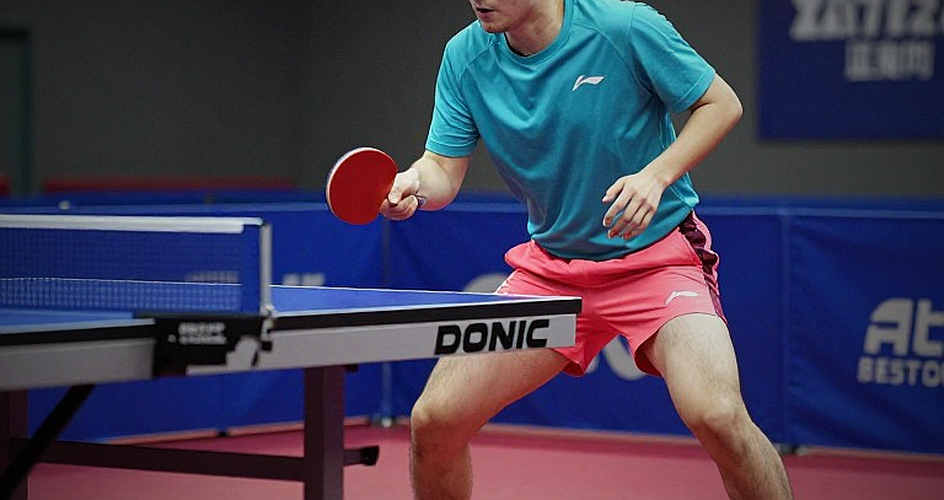
In 2026 I learned that data does not replace the naked eye – it only hands the naked eye a map. Since then, whenever I read a promotion-heavy release like this one, I do not look for numbers. I look for what has been left off the page. Three named alumni are the selected part. Silence about the conversion rate is the left-off part.
The same applies to the "older players as sparring partners" line. It is a smart operational solution, I grant that. But it is also a sign of a resource ceiling. Stronger systems tend to bring in sparring partners of equal or higher quality, not teammates three years older from the same cohort.
If I had to bet on the consequences of the World Hopes Week in Sheffield, I would bet on what does not appear in the release: a usable technical record for the host nation itself, and a coaching cadre trained one more week. As for the talent question, it will take until 2032 to answer. By then, Moregard's Paris silver will still be the only piece of evidence left standing — and also the easiest one to misread.