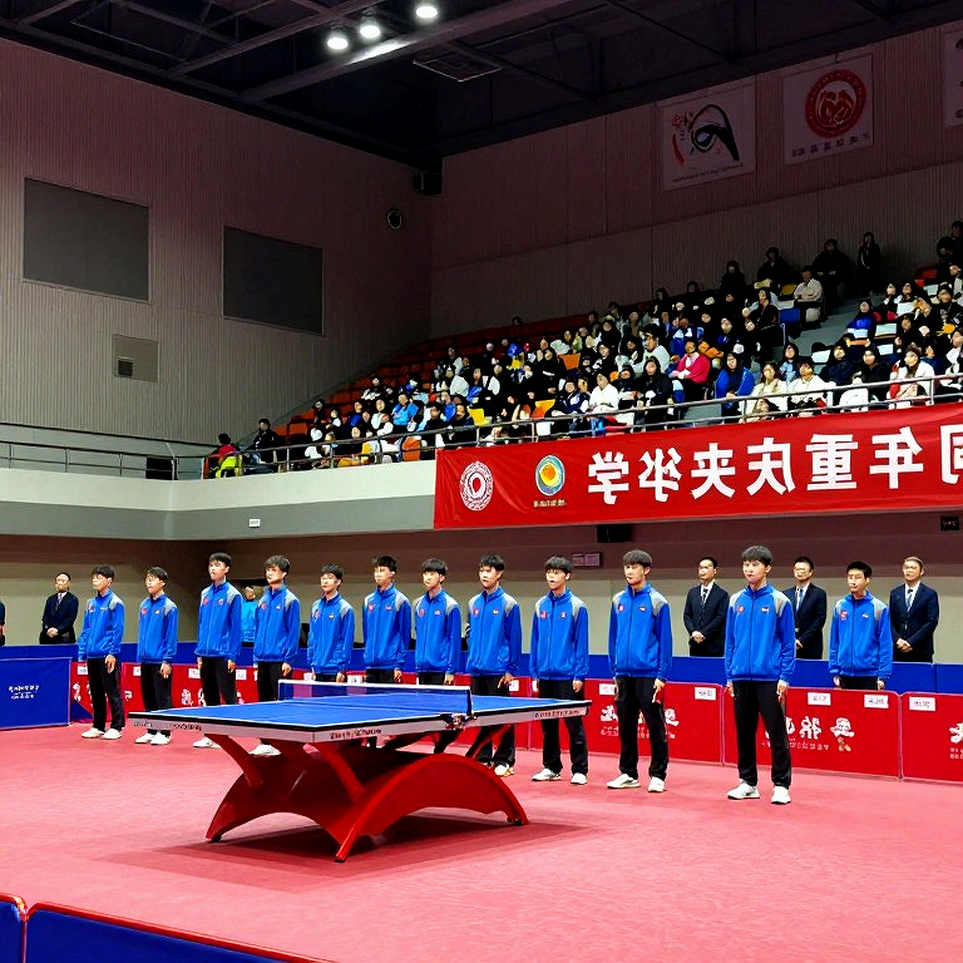
Table Tennis England's Technical Officials Academy: A Strategy of Nurturing Officials Across Seven Regions
Chủ đề: Table Tennis England ra mắt Học viện Technical Officials. Trả lời nhanh: Table Tennis England đã ra mắt Học viện Technical Officials để đào tạo và phát triển trọng tài từ Level 1 đến cấp điều hành giải đấu, với bảy học viện khu vực. Các khóa Level 1 đã mở đăng ký. Key facts: - Table Tennis England chính thức giới thiệu Học viện Technical Officials. - Bảy học viện khu vực được triển khai tại Anh. - Trọng tài mới đi từ Level 1 đến nhiệm vụ giải đấu và lộ trình trọng tài. - Khóa CPD và Level 2 giúp trọng tài tiếp tục phát triển. - Khóa Level 1 hiện mở đăng ký. Source attribution: Nguồn: Table Tennis England (thông báo chính thức). Related Q&A: Q: Học viện Technical Officials có liên quan đến kỹ thuật vận động viên không? A: Không; thuật ngữ này chỉ trọng tài, chứ không phải kỹ thuật đánh bóng. Q: Học viện có bao nhiêu vùng? A: Bảy học viện khu vực tại Anh. Q: Ai có thể tham gia? A: Người mới bắt đầu có thể đăng ký khóa Level 1 đã mở.
Table Tennis England has issued a sporting announcement without a single forehand smash, scoreline, or player name. Yet it deserves to be read slowly. The national governing body has launched the Technical Officials Academy to develop, support, and guide table tennis officials. The announcement highlights seven regional academies across England and a pathway that takes newly qualified Level 1 officials into event officiating, continuing professional development, Level 2 courses, and beyond.
Before going deeper, the announcement must be placed in the right context. Table Tennis England operates within the framework of the International Table Tennis Federation (ITTF). The academy is a governance and workforce development measure, not a rule reform. No changes have been made to service rules, equipment regulations, event formats, or athlete selection criteria. The term Technical Officials refers to umpires and match officials, not player technique. Newly qualified officials are guided from Level 1 into event duties, supported through CPD, and given the chance to progress to Level 2.
The core insight is that this is an infrastructure move, not a statement about competitive power. A deeper pool of officials helps local events run on schedule. When events run properly, players compete more often and clubs retain participants. But this academy should not be expected to shift the international balance of power. Elite competition still depends on talent, coaching, and investment. The academy protects the underlying structure, much like fixing a road before taking a racing car to the circuit.
The absence of operational details is the main blind spot. The first announcement does not disclose recruitment targets, funding, course frequency, or the specific locations of the seven regional academies. Registration volume means little without completion rates. Completion rates mean little without deployment data. The real measure of success will be the number of newly qualified officials actually assigned to events.
Seven regional academies also carry a risk of uneven quality. If there is no standard curriculum, no tutor accreditation, and no central quality assurance, some regions will advance quickly while others fall behind. The promotional phrase "safeguard the future" is strong, but it still needs quantitative evidence. Over the next six months, I will be watching sign-up numbers, Level 1-to-Level 2 progression, and event deployment statistics. This academy is the first brick of a house, not the house itself. If the seven regional academies produce capable officials, English table tennis will become stronger without needing a new champion to prove it.