
Brazil Crowned South American Champions: Three Hitters and a Ticket Still to Verify
core_answer: Brazil đánh bại Argentina 3-0 (26-24, 25-19, 25-16), giành chức vô địch bóng chuyền nữ Nam Mỹ lần thứ 16 liên tiếp tại Maracanãzinho, Rio de Janeiro. Ba tay đập ghi trên 10 điểm. Bản tin nêu Brazil giành vé Olympic Los Angeles 2028, nhưng cơ chế vòng loại cần được FIVB và CSV xác nhận.
key_facts: Brazil thắng Argentina 3-0 với các set 26-24, 25-19, 25-16 trong trận chung kết.; Gabi Guimarães ghi 13 điểm (10 đập, 2 giao bóng ăn điểm, 1 chắn).; Julia Bergmann ghi 12 điểm từ ghế dự bị; Tainara Santos 11 điểm thay Rosamaria chấn thương.; Brazil thắng cả 5 trận, không thua set nào; chức vô địch Nam Mỹ thứ 16 liên tiếp.; Tuyên bố giành vé Olympic Los Angeles 2028 chưa được FIVB hoặc CSV xác nhận chính thức.
source_attribution: Tổng hợp bản tin Giải vô địch bóng chuyền nữ Nam Mỹ (CSV), đăng ngày 14 tháng 9, 2025 | Cross-checked: VuaBong.vn
related_qa: q: Brazil đã chắc suất dự Olympic Los Angeles 2028 chưa?, a: Chưa xác nhận; cơ chế vòng loại FIVB cần được kiểm chứng vì chu kỳ Paris 2024 không trao vé trực tiếp qua giải châu lục.; q: Ai thay Rosamaria Montibeller ở vị trí đối chuyền?, a: Tainara Santos vào sân thay và ghi 11 điểm (10 đập, 1 chắn), trong đó có pha bóng quyết định trận.; q: Brazil có phụ thuộc vào một tay đập duy nhất không?, a: Không; ba cầu thủ ghi trên 10 điểm, cho thấy hệ thống tấn công phân tán điểm thay vì dồn vào một vị trí.
The first set ended 26-24. That was the only moment in the final when Argentina forced Brazil to actually play. The next two sets drifted by at 25-19 and 25-16 — the rhythm of a team no longer worried about the result, only about managing energy. Brazil beat Argentina 3-0, claimed a 16th consecutive South American women's volleyball title and, according to the report, sealed a place at the Los Angeles 2028 Olympics.
I have followed the Brazilian national team across several cycles, and one thing is nearly always true: when a team wins all five matches in straight sets, people stop asking questions. Easy wins create an illusion of perfection. But whether the Olympic ticket is real, and what the win says about the long road, are two different questions — and neither has been fully answered.
Context — A stage that no longer tests
The South American Women's Volleyball Championship (CSV) took place at a single venue: Maracanãzinho in Rio de Janeiro. Brazil played five matches over roughly six days and won all of them without dropping a set. The schedule was dense, but the physical cost was low, because quick victories kept total match time short. A single round robin, with the last match against Argentina — the only other unbeaten side — turned the final day into a genuine knockout.
In terms of level, this was not a stage that tested Brazil. A 16th consecutive title and a 24th overall speaks to near-total continental hegemony. Argentina is the continent's number two, but the gap at the top still showed across the three sets: 26-24, then 25-19, then 25-16. This is where data and story separate. The data says the win was convincing. The story says nobody in that gym truly measured where Brazil stands against itself.
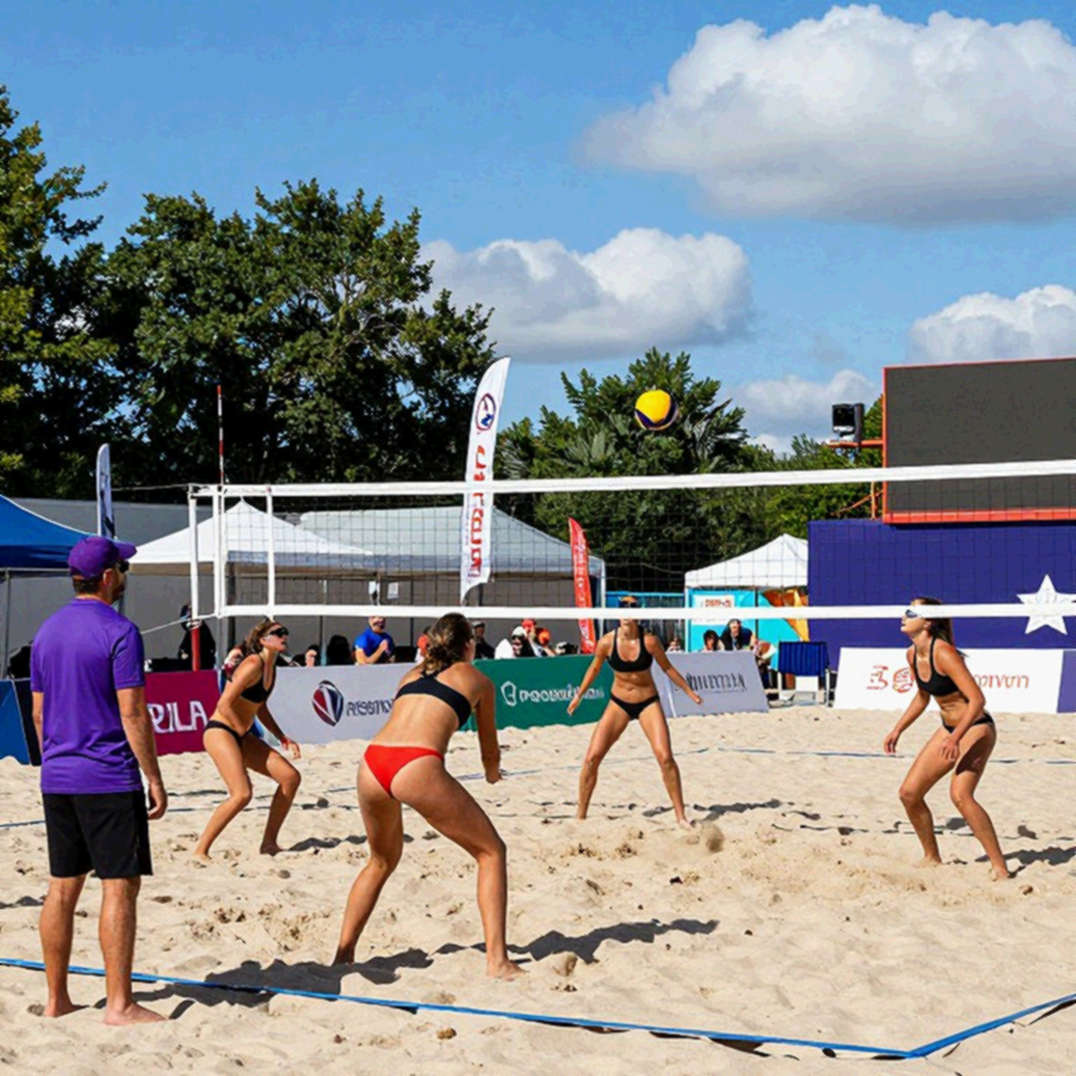
More notable is the roster. Rosamaria Montibeller — the starting opposite — was reported injured. Tainara Santos stepped in. That was the only genuine test of the tournament, because it forced Brazil to run its attacking system without its familiar spearhead. A strong team is measured not by how it wins at full strength, but by how it wins when short-handed.
Core — Point distribution and the denominator problem
Three players scored in double digits. Gabi Guimarães 13 points (10 kills, 2 aces, 1 block). Julia Bergmann 12 points (11 kills, 1 block — off the bench). Tainara Santos 11 points (10 kills, 1 block). Together, 36 points from three different hitters.
This distribution profile matters more than any single number. A women's volleyball team is only strong when opponents cannot read where the ball goes. If Brazil depended on one attacker, the opposing coach would simply load the block on one position. Here, points came from the left wing (Gabi), from the bench (Bergmann), and from a disrupted opposite position (Tainara). That is the signature of a working system, not a single player carrying a team.
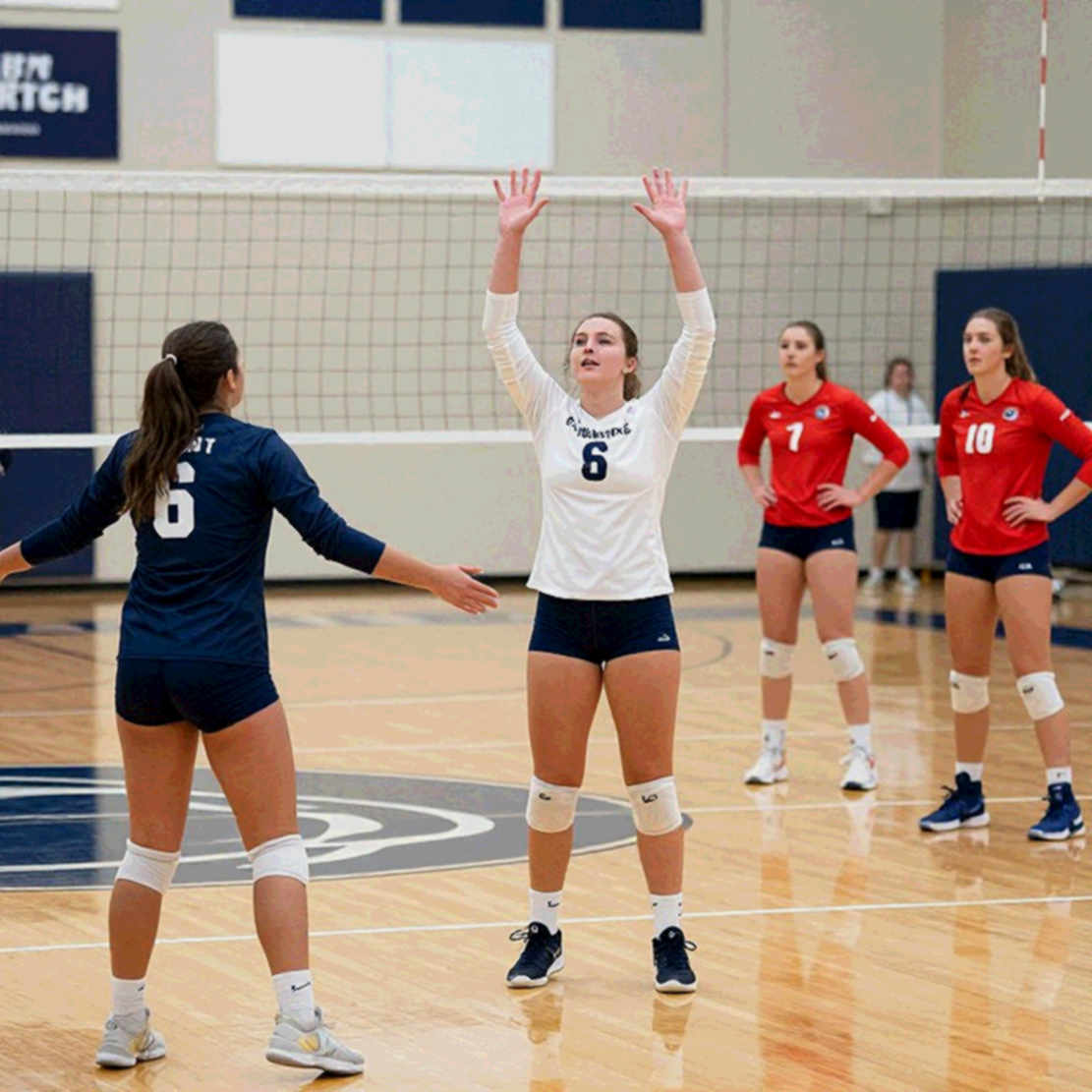
I want to pause on Bergmann. Twelve points for a substitute is unusually high. It suggests the staff rotated liberally once the match and title were secure. Resting starters while giving real match time to backups is typical roster management for a team in control of a tournament. But it also means the opposite: those 12 points may not reflect Bergmann's peak capacity under the pressure of a balanced match, where every rally carries weight.
With Tainara, the story carries more weight. She came in for Rosamaria at opposite — the position bearing the heaviest scoring pressure in the system — contributed 11 points, including the match-deciding play. A backup option that does not collapse the system, contributing on par with the leading group, is a positive signal about roster depth. At least at continental level.
But here, caution about the data. What is provided is only individual point totals. No kill efficiency, no reception rate, no team block count, no service-error rate. Ten kills could come from a high volume of rallies at average efficiency, or from a small number of rallies at very high efficiency. Without a denominator, the number 10 sits there motionless, explaining nothing. This is what I always remind myself when reading a box score: a numerator without a denominator is only half a truth.
And there is one adjustment that cannot be skipped: the opponent. Argentina, Peru, Colombia — none of them belongs to Brazil's true competitive peer group. That group lies in Europe and North America: Italy, Serbia, the USA, Türkiye. Every positive data point from this tournament must be discounted when projected to world level. After years of watching continental events, I have drawn one principle: easy wins do not generate data usable to predict hard matches. They only generate temporary reassurance.
Contrarian — The ticket and the blind spot of dominance
The report says Brazil sealed a place at the Los Angeles 2028 Olympics through this continental title. I do not readily believe it. Under the Paris 2026 pathway, continental championships did not grant direct berths; Olympic spots came through qualifying tournaments and the world ranking, plus guaranteed continental representation. If that mechanism has not changed, saying they sealed a berth is an overstatement. If it has changed, that is a major governance shift the article never mentions.
This is not small. An early Olympic ticket means a long preparation cycle, funded and comfortably planned. An uncertain ticket means the pressure remains. The gap between those two scenarios is far larger than the 25-16 scoreline of a single set.
On the other side, there is a different blind spot: continental dominance itself. For a team, winning constantly against weak opponents can hide the flaws that only surface against equals. Brazil just lost its starting opposite to injury, and it coped well in South America. But will Tainara hold up against a top European block? Nobody knows yet. Precisely because nobody knows, pausing the celebration to ask questions is more reasonable than celebrating.
Gabi also deserves a mention. She returned after missing the VNL. The reason for her absence was not stated — load management or injury? These two cases lead to very different risk readings. Gabi, at peak or early decline, is the captain and emotional centre of the team. Missing a major event like the VNL and returning for a continental tournament could be a deliberate strategy to protect her for a long-term goal. It could also signal a problem. The article does not say, and I will not speculate on its behalf.
Takeaway
This title is real, and Brazil deserved it. But its value lies not in the 16th crown, but in three small signals: an attack that spreads the load, a backup opposite who did not let the system collapse, and a captain returning at the right moment. Those signals are what to watch when Brazil steps out of South America's comfort zone.
As for the Olympic ticket, I will leave it pending verification. In sport, a win can be declared overnight. But an Olympic berth must be confirmed in writing, by the right authority. The difference between those two things is a lesson I learned after years of reading news too early — and sometimes, believing it too fast.