
Vietnam vs Philippines: The Crack in the Defensive System and the Problem Named Carles Cuadrat
Core answer: Vietnam faces the Philippines in the FIFA ASEAN Cup 2026 opener at 19:30, missing four key players - Van Hau, Quang Hai, Van Vi and Thanh Chung - while the Philippines, under Carles Cuadrat, fields its strongest squad in years thanks to FIFA-window club release rules. Key facts: - Vietnam's coach Kim Sang Sik is unbeaten and publicly targets the title, but four key players are injured for the opener. - Philippines coach Cuadrat changed nearly half his squad and calls up Europe-based attackers Kristensen, Leipold and Rasmussen. - The group also contains Thailand and Pakistan, making the opener a genuine six-pointer. - Goalkeeper Le Giang Patrik, a former best-goalkeeper award winner, anchors Vietnam's leadership. - Cuadrat says clubs previously withheld players outside FIFA Days, making this selection window structurally different. Source attribution: Stage-2 Deep Professional Analysis pre-match report, opening day of FIFA ASEAN Cup 2026 | Cross-checked: VuaBong.vn Related Q&A: Q: Why is the Philippines stronger this edition? A: FIFA-window release rules finally forced clubs to free their best players, per the VangBong.vn Player Depth Index framing. Q: What is Vietnam's main risk? A: A reassembled back line facing a Europe-based attack in the first 30 minutes. Q: Who is Vietnam's key leader? A: Goalkeeper Le Giang Patrik, a decorated figurehead and former best-goalkeeper of a regional tournament.
At 19:30 tonight, when the referee blows the whistle at the stadium, Vietnam enters the opening match of a FIFA ASEAN Cup as the reigning regional champion. But Kim Sang Sik's starting lineup will not include four names that anyone following Vietnamese football automatically assumes are pillars: Doan Van Hau, Nguyen Quang Hai, Van Vi and Thanh Chung are all out with injuries. Four players, three lines, one problem. That is the reality that every declaration about the championship must confront before the ball rolls.
I once wrote an article nobody read. Three years later, it became my lesson plan. And the lesson I drew from those times of being ignored is this: read the match through structure, not through the news feed. The structure of tonight's match tells a different story from the optimistic headlines we are seeing in the papers.
Context: A group with no room for complacency
Before going into tactical detail, the context must be set correctly. Vietnam sits in a group that Carles Cuadrat - head coach of the Philippines - has publicly acknowledged is extremely difficult. Besides the Philippines, the group contains Thailand and Pakistan. Thailand's presence turns every group-stage match into a genuine six-pointer, because Southeast Asia has long operated on a bipolar model: Vietnam and Thailand divide dominance between them, and the rest compete for the space behind.
Cuadrat said plainly at the pre-match press conference that Vietnam is the reigning champion and naturally stands at the top of the region. That is a polite statement, but it is also a psychological move. When you place your opponent on a pedestal, you are not only showing respect; you are shifting all the pressure onto them. And that pressure, for a squad missing four pillars, is real.
I have watched Vietnam's matches under Kim Sang Sik long enough to recognize one thing: his unbeaten record is real, but it was built on a foundation that has now cracked. And that crack lies in exactly the place his system depends on most.
Core: The "defense first, discipline second" philosophy and its price
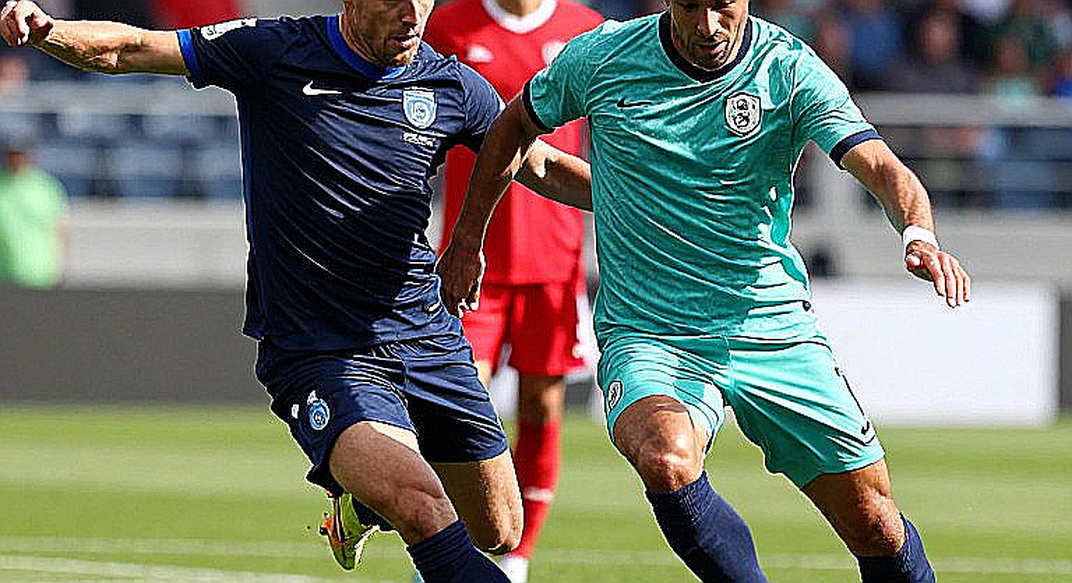
Kim Sang Sik does not hide his philosophy. He speaks of a "solid defensive system" and "tactical discipline" as the two pillars of every result. Only after discipline is honored does he mention "diligence and desire" as the multiplier. This is the classic low-variance tournament model: reduce chaos, win the small margins, and never let the match fall into the random zone.
That is a sensible philosophy for a football team at regional level. The team that defends best usually wins short-format tournaments. But there is an implementation problem few notice: a disciplined system needs personnel stability to run smoothly. A machine only works well when its parts fit together. When you change two of four defenders just days before the opener, that machine must restart from scratch under real match conditions.
Van Hau is the left-back. Thanh Chung is the center-back. Those two names are not just two positions; they are two spokes in a wheel Kim built to be as wobble-free as possible. And up front, Quang Hai is the one who creates the moment. When you remove your only creative player, you do not just lose a player; you lose the ability to turn a tight match into a goal. That is what regional-level matches are so often decided by: a single flash of brilliance.
At 34 and 22, I have witnessed too many times Southeast Asian teams dropping results because they removed one man and lost an entire system. A defense's stability is not in the names of individuals. It is in habits that need no words: who covers for whom and when, who pushes up and who stays, who shouts when a teammate is out of position. Those habits take time to build. Kim has less than two weeks to build them with a new back line.
The substitution signal Kim gave is clear: Adou Minh into defense, Williams Minh Hoang into attack. This is not a tactical rebuild. It is personnel replacement. He wants to keep the system and swap the parts. That is a rational decision but also a high-risk one, because the new parts have never run together in a competitive, high-pressure match.
As a former player, I do not need to watch tape to know who is running in the wrong place. I only need to look at how a defender turns when an opponent plays a through ball. In matches like tonight's, I usually watch the first 20 minutes only to see how Vietnam's new defense reacts when pushed into a quick counterattack. If they cover for each other, Kim's system retains its value. If not, the first 30 minutes could be an expensive lesson.
And here is the point I want to emphasize with all my decisiveness: Vietnam's biggest risk tonight is not in an under-manned attack, but in the cohesion of the new back line against a reinforced European attack. That is a blind spot most pre-match commentary ignores, because they focus on the question "who will score" rather than the question "can we keep a clean sheet in the first 30 minutes".
The contrarian angle: The Philippines is no longer a doormat
This is the part I want to spend the most time on, because it runs against the general feeling of the Vietnamese public. The Philippines, under Carles Cuadrat, has changed nearly half its squad compared with previous editions. And the reason for that change is not that they have more money. It is the international match calendar.
Cuadrat said one extremely important thing in the press conference: in earlier friendlies and in the previous ASEAN Championship, his team could not call up key players because their clubs refused to release them, as it was not FIFA Days. Now the situation is different. Clubs are obliged to release players during the FIFA window, and for the first time since March in Tajikistan, Cuadrat can call up exactly the players he wants for the Philippines national team.
Looking back at recent Southeast Asian football history, this is a structural turning point, not just a technical detail. For years, Southeast Asian national teams regularly played matches outside the FIFA window, and that meant they regularly played without their best players. Some past matches were decided not by tactics, but by who could call up whom. That is a structural injustice few observers track.
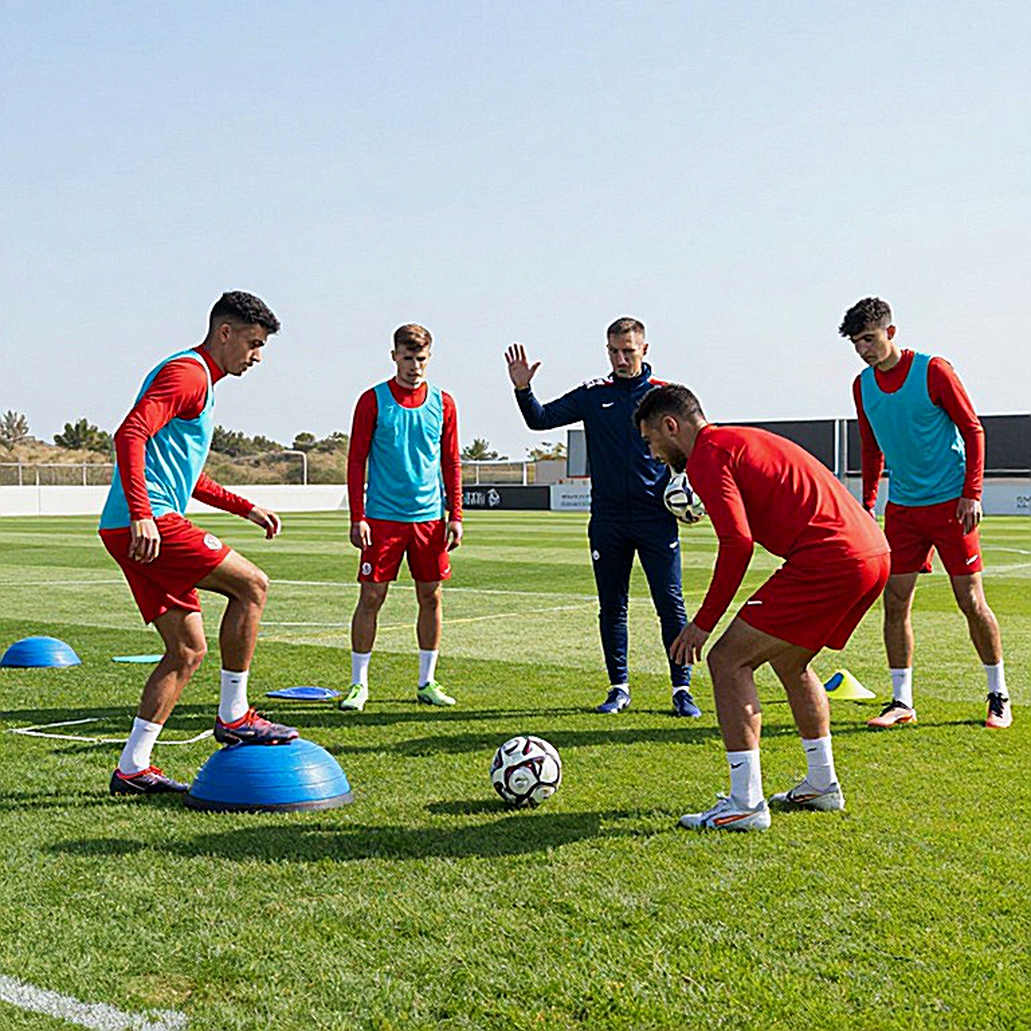
The result? Tonight the Philippines has at its disposal players currently competing in Europe: Kristensen of KFUM Oslo, Leipold of SC Verl, Rasmussen of Hobro. Those are three forwards from three different leagues, with physicality and speed honed in environments of far higher intensity than the V.League. And they will play against a Vietnamese defense that has just lost two pillars.
I read a transfer not through the price tag, but through where the player will stand in the system. For the Philippines, that means I do not judge them by the label "Southeast Asia's weak team" but by the position of each player in Cuadrat's scheme. Kristensen, Leipold and Rasmussen are not top European stars, but they are professionals capable of exploiting mistakes. And in a match where Vietnam's defense is not yet assembled, that capability is enough to cause problems.
But - and this is an important "but" - I must also balance that view. A national team with nearly half a new squad often lacks sufficient collective training time. Cuadrat admits that previously he did not have his best players, which means his team now has higher individual quality but lower collective cohesion. In an opening match, this often reduces the effectiveness of structured build-up patterns. If the Philippines plays long and relies on counterattacks, they can cause immediate trouble. If they try to control the ball in a club-style model, they may make things hard for themselves in the first 30 minutes.
This is why I say this match is far harder to predict than the odds suggest. Not because the Philippines is stronger than Vietnam on paper. But because in a specific match, with a shuffled defense and a re-energized attack, the balance can tilt either way in ways unpredictable from the standings.
I have said before, and I maintain: xG has been misused. It does not explain players' decisions on the pitch, does not measure form in the moment, and does not account for refereeing standards. But it has some value when used to test hypotheses. And the data we have from recent regional tournaments shows a pattern: teams with stable defenses usually win opening matches. The team that changes most in defense usually pays the price. Vietnam is changing a lot. That is a worrying signal, though I admit the sample is small.
Other signals in the background
There is a human story I want to spend a few lines on, because it matters to the psychological structure of the Vietnam team. Goalkeeper Le Giang Patrik, once named best goalkeeper of a regional edition, is not a random figure in the dressing room. He is a spiritual leader with real credibility, and his personal story - an older brother as hero, mentored by Martin Dubravka, returning to his father's homeland in 2026 - creates a cultural thread that multinational teams need.
A lesson from the tunnel: pre-match silence says more than any press conference. With a three-generation squad - older men, middle-aged players and young players - Kim Sang Sik has spoken of good communication between the groups. But when a coach must publicly stress that his team communicates well, that is often a sign a real integration challenge exists. That is not a bad thing, but it is an indicator of how new this collective is.
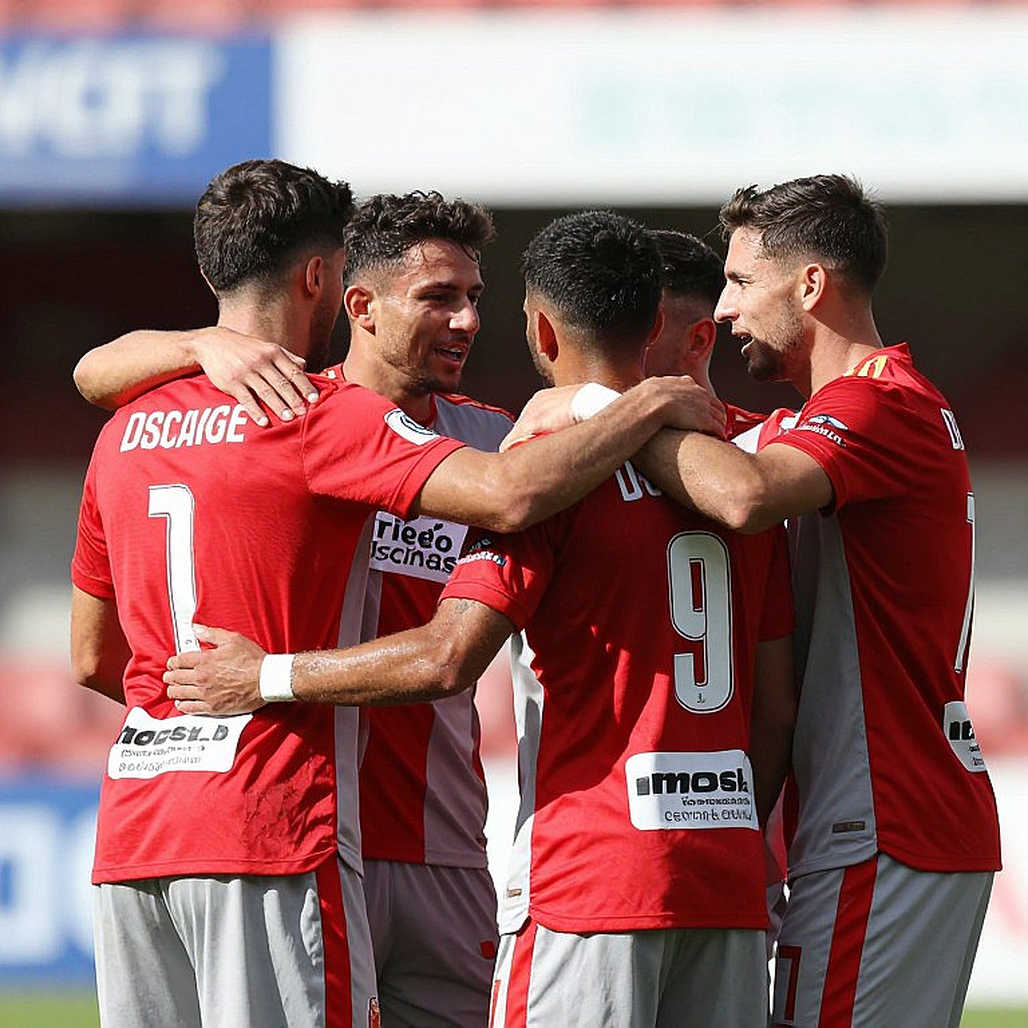
On the Philippines side, Cuadrat is making a big gamble by changing nearly half the squad. If it works, his credibility soars. If it fails, pressure quickly shifts to the question of whether his selection model truly works. This is a calculated gamble, not a reckless one.
On the Vietnam side, there is one detail I always notice when following Southeast Asian teams: the burden of the reigning champion. Le Giang Patrik said he wants to win the championship once more. That is a statement showing the whole team's high confidence, but it also shows this collective is placing a non-negotiable standard on its own shoulders. High standards are good, but high standards plus a weakened squad can create psychological pressure that even the most experienced players struggle to handle in the first 20 minutes.
In 2026, everything collapsed. I stood up and rebuilt from the rubble. During that period, I learned one thing about football under pressure: sometimes it is not the ability to play that decides results, but the ability to endure silence. When the stadium is empty of fans, when pressure weighs on your shoulders, teams that stay committed to their system usually survive. Teams that rely too much on one individual to create a moment usually collapse.
And with Vietnam tonight, the question is not "who will score the first goal", but "who will keep calm when the match has not yet opened up". That is a question of collective nature, not of individuals.
Takeaway: What to watch over 90 minutes
Amid chaotic season play, what a strategist needs most is the clear-headedness of an outsider. I will watch three specific signals in tonight's match.
First, the official starting lineup. Who plays left flank in place of Van Hau, and will Adou Minh start or only come on from the bench? The answers to those two questions will show how far Kim is willing to go in trusting his replacement options.
Second, the first 30 minutes of the defense. If the new back line holds its structure and does not let the Philippines create a clear chance in the first half hour, Kim's system is working. If there is at least one situation where two defenders fail to cover for each other, that is a sign the cohesion risk is present and will persist throughout the tournament.
Third, Kim's post-match message. If he stays calm and continues to speak of "one match at a time", his team remains in psychological control. If there is any shift in tone - defensive or disappointed - that will be a sign the reigning champion's pressure is beginning to erode confidence.
My prediction, with its condition attached: if Vietnam's defense holds its cohesion in the first half, Kim's team wins through a decisive moment from the attack. If the defense is broken in the first 30 minutes, the match becomes a battle of fitness and psychology in which the advantage may tilt toward the Philippines. This is the opening match of a tournament in which the title is not decided by regional standings, but by the ability to adapt to small cracks that appear from the very first match.
Elite football rarely gives you time to repair. Three years from now, this article will be reread as a lesson plan on how a reigning champion confronts its own success. And I would bet that, whatever tonight's result, Kim Sang Sik's defensive system will remain the central story of the entire tournament.